

Educational scientific visualization
Outreach and education
Technical medical illustration
Technical Illustration
Scientific data visualization
Data visualization
Scientific publication image
Publication images
Data graphic
Data graphics
Virtual reality environment
Virtual reality
Scientific illustration
Scientific illustrations
Scientific web content
Web content
Virtual training environment
Training
Animated dramatization and simulation
Dramatizations and simulations
Three-dimensional concept render
Concept renders
Material developed for physicians
Physician materials
Material developed for patients
Patient materials

Selected Works

Training scenarios developed by our group are described below. In most cases, we do not control the copyright for the final product and cannot distribute it. However, some of them can be purchased directly from the client. A description of the project and the purpose of each scenario with images is below. Previous non-scenario work remains in the Wix archives and can be reviewed for a later migration.

01

Virtual Training for Spine Surgery

October 2017
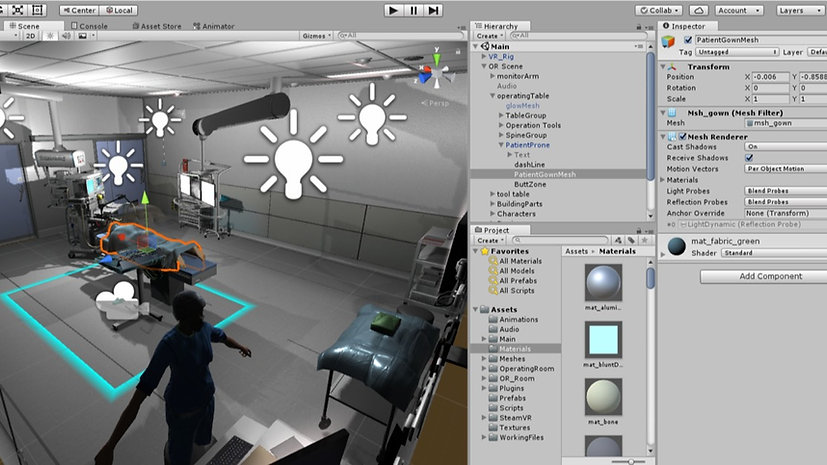
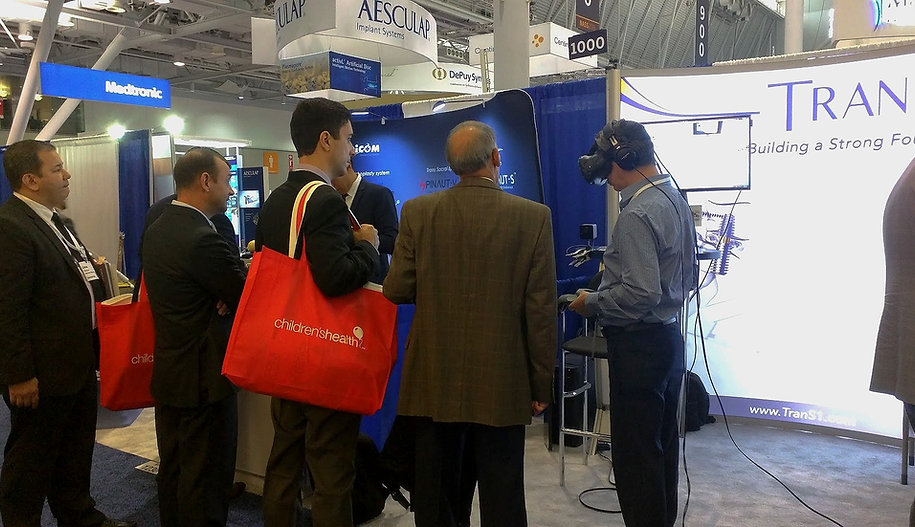
Virtual surgical training scene

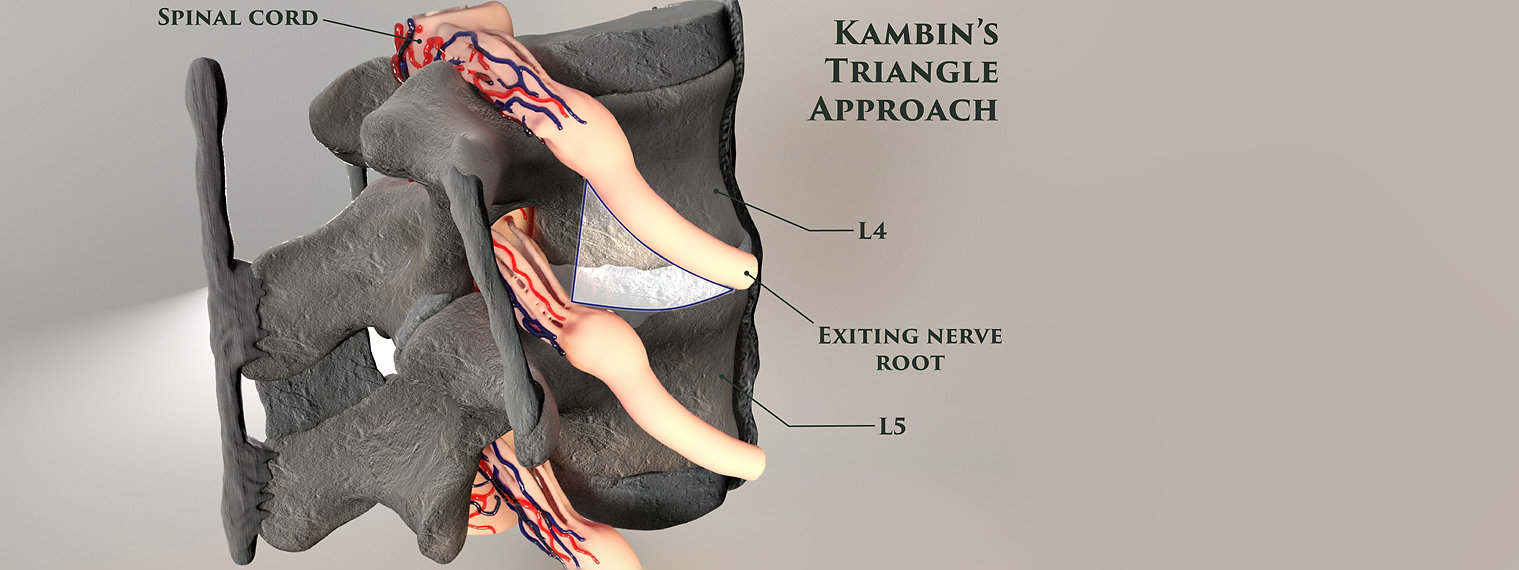
Fusion of the Lumbar 4 (L4) and Lumbar 5 (L5) vertebrae is a common procedure for sports injuries and aging spines. Most L4/L5 fusion procedures enter the body from the front, through the abdomen, or from the back, either straight on or at an angle.

TranS1 had developed a procedure that enters the body axially, just ventral to the coccyx. The procedure uses a route that avoids most critical tissue, and therefore has a far lower risk of several types of complication. However, because it was a new technology, it was not yet well known.

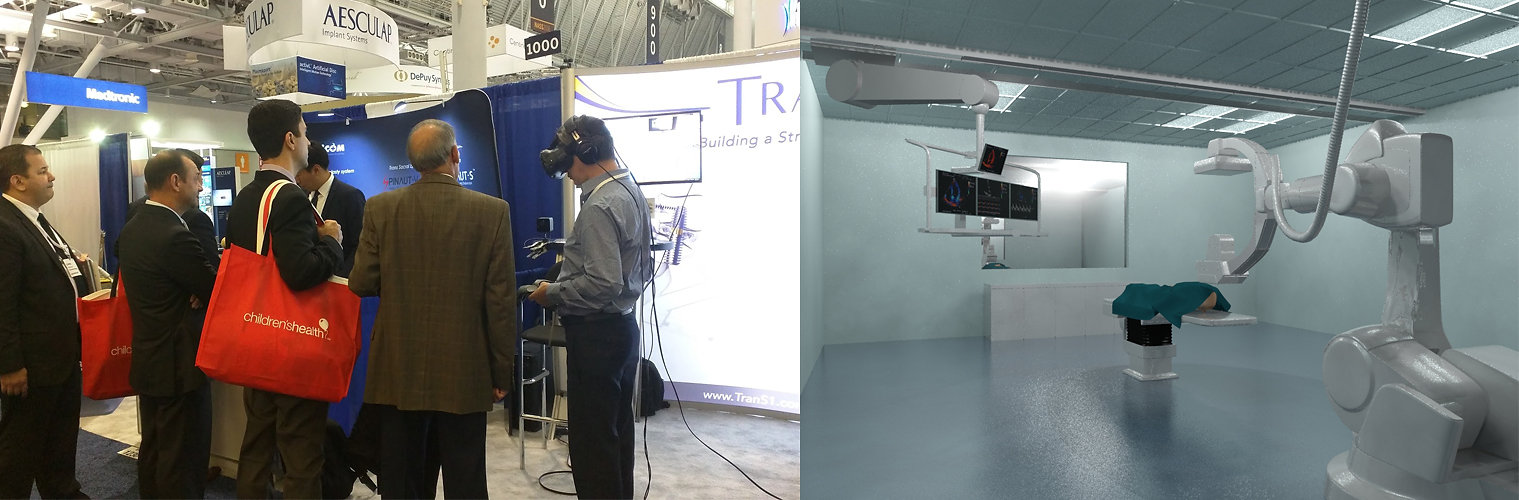
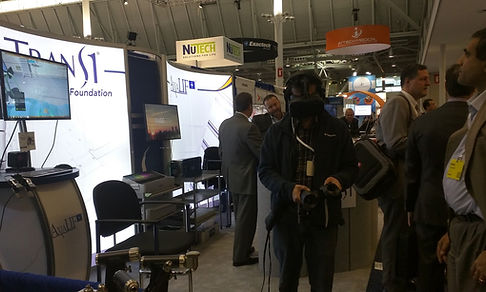
The company developed a campaign to make spine surgeons aware of the new technology, and we proposed and delivered a virtual training as part of that campaign, designed for the HTC Vive to be used on a powerful workstation, and which could be executed by an individual alone.

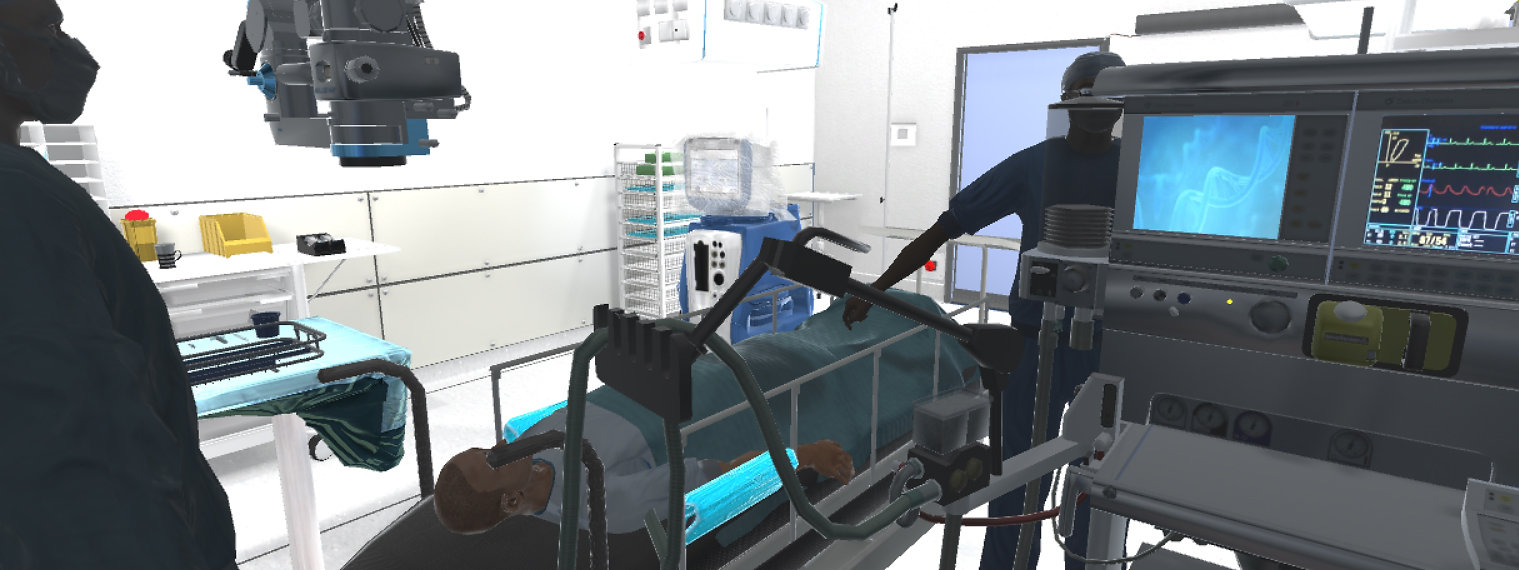
In the training scenario, surgeons begin by making a small incision in the virtual patient's back. They are then walked through the procedure, as each tool on the tray table is used automatically in series, demonstrating the steps of the procedure.

The training scenario was demonstrated at a trade show for spine surgeons, where it was very well received. The project showcased an early use of virtual reality in a subject-matter-specific way, and our group was interviewed for the conference trade show publication.
02

Girl Scouts in STEM Outreach Event

June 2016

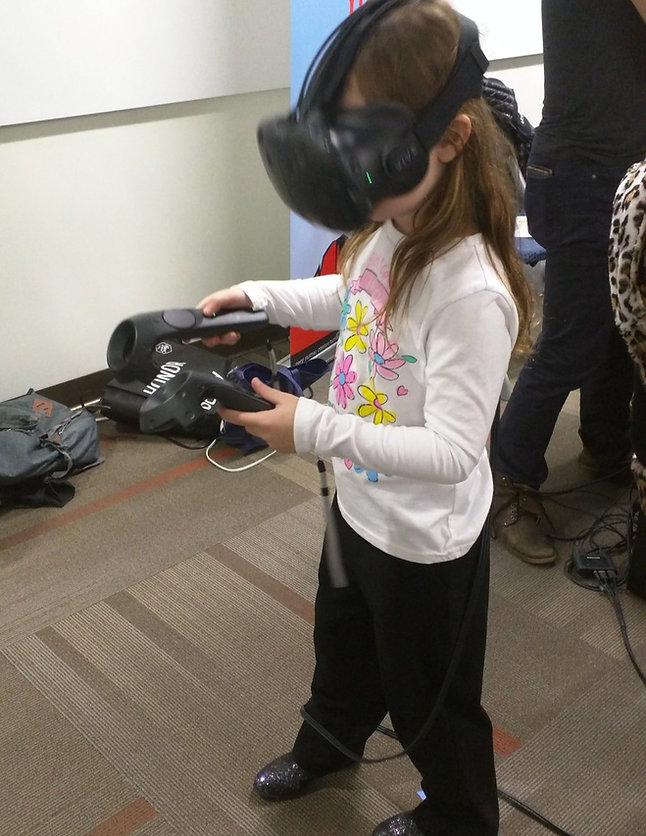
Girl Scouts participating in a virtual reality STEM outreach event

Using materials previously developed, we presented our work at an outreach event sponsored by the Girl Scouts of America, called Girl Scouts in STEM. The event was aimed at recruiting more girls into the STEM fields, and our simulations put them in a medical operating room. The scenario was mostly on autopilot and not meant to have high fidelity to technical detail, but was designed to empower participants by putting them in charge of an operating room.

Along with other exhibitors, we presented a unique experience for Girl Scouts: an immersive scenario that put participants in a simulated environment mimicking its real-world counterpart. The event predated laptops capable of running the HTC Vive hardware required for the program, so our team packaged a full desktop workstation to bring on site.

The event was well received, and although some girls decided that a career as a surgical physician was not for them, several who had not previously considered it described how much they enjoyed it and thought they might pursue it. Several of the Scouts lined up to run through the scenario multiple times. The event was a wonderful experience and our group was thrilled to participate.

03

Safety Training

October 2019

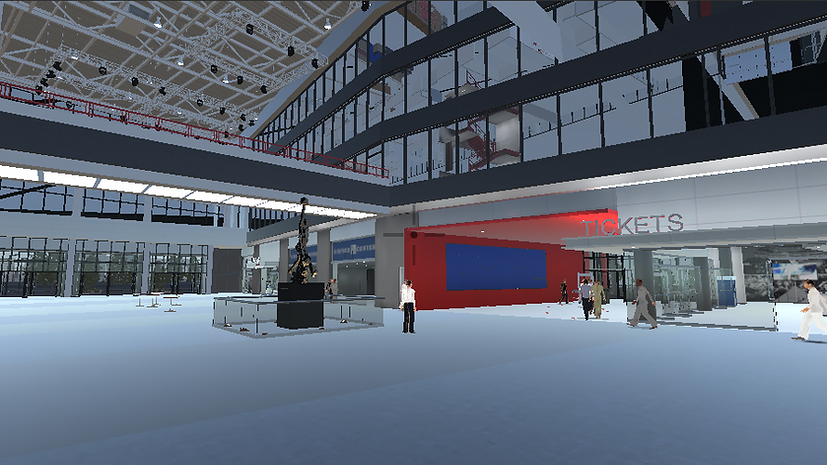
Chicago's United Center is where the city's professional basketball and hockey teams play, the Bulls and the Blackhawks. The United Center was interested in improving security to prepare for active-shooter scenarios.

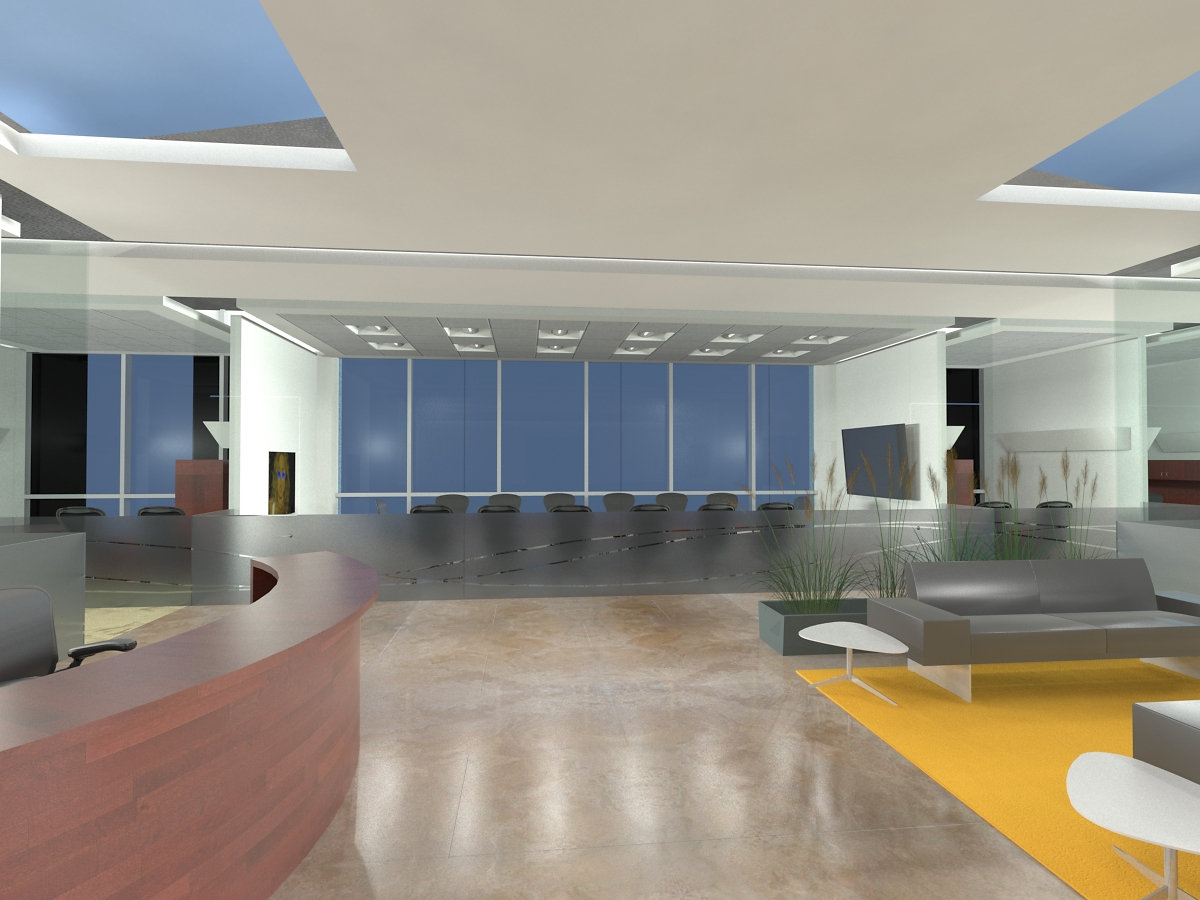
Our group was commissioned to develop a training exercise to help prepare for an emergency event. We built a full mockup of the entire arena, including office spaces, bathrooms, and anywhere a person could gain access. The arena was populated with a large crowd continuously entering the arena that would have to be scanned for threats.

To build the arena, we partnered with vScenario, who used drone technology to map the entire building. We used this data to reconstruct the arena structure with high fidelity. Structural elements, lighting, finishes, signs, furniture, and other elements of the building were built in this way, then textured based on the images provided.

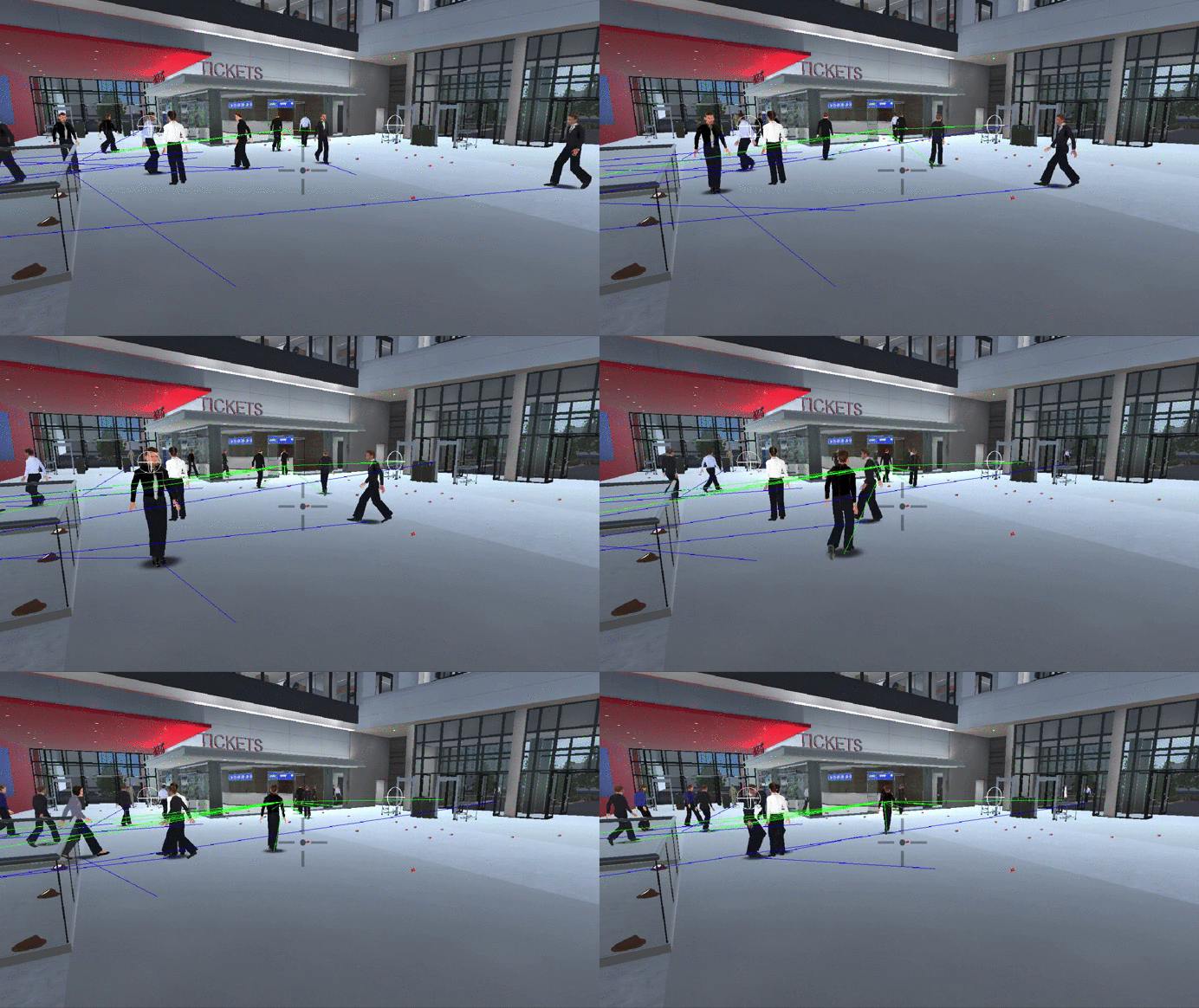
Working for Mobomo along with Egamea, the structure was also populated with virtual patrons. Bursts of patrons entering the building were added in a Poisson-like distribution, such that there could be dozens of patrons in a given moment or a lull with very few. This was adjustable and could be changed to a constant stream, limited only by the hardware used to execute the training scenario.

There was a low probability that one patron would be loud and boisterous, possibly bumping into others. That character represented an inebriated patron who was loud but not causing trouble. For the training exercise, this was a red herring intended to distract from the primary objective of identifying potential threats.

At a much lower probability, and no more than once, there could also be a potential shooter. Officers were on the lookout for unusual behavior. If a trainee spotted an individual who might be a threat, they were instructed to radio for immediate assistance and, if a weapon was drawn, for the building alarm and police backup.

The scenario gave trainees a comprehensive understanding of the entire building layout without giving physical access to sensitive areas. It also provided practice identifying relevant signs amid a crowded situation and exposure to an intense situation without putting anyone in harm's way. Trainees could repeat the exercise as needed and practice maintaining composure under pressure.

The project was designed for an HTC Vive on a powerful workstation administered by a trainer. Upon completion, the scenario was commended, and we were invited by the Director of Security to present the work at a private event for NBA owners.

04

Medical Illustration Training

Fall 2017

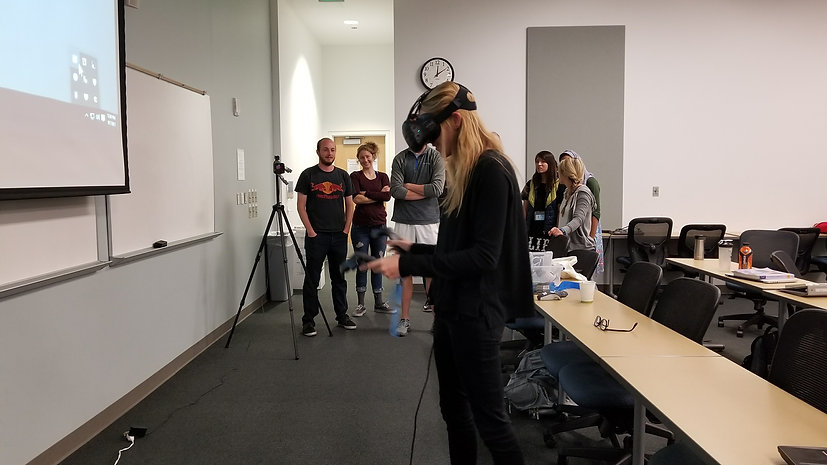
Medical illustration students learning about virtual reality production

The process of designing and developing medical training materials was demonstrated for the Medical Illustration Program at the University of Colorado Anschutz Medical Campus. Students were shown the process of designing a scene for a specific medical procedure, modeling and animating it, adapting it to virtual reality, adding functionality, and testing it.

As the only virtual training module in the course, students were exposed to a novel medium and all its nuances. They got a hands-on feel for when it is an appropriate technology, the steps required to implement it, and which parts of it they might excel at.

Students were walked through the process of understanding the technology, identifying the goal of representing a procedure through illustration, designing a scene and environment that thoughtfully captured the intention, and using a 3D program, animation, and C# code to build the result.

Virtual reality was a novel way to describe subjects that are difficult to capture in other media. When applied appropriately, it can present material more intuitively than two-dimensional media. Like any visual medium, however, it is well adapted to some situations and may not be necessary in others. Presenting this work gave students a hands-on feel for what it could do in the context of a real use case and exposed them to a potentially new trajectory for their careers.

05

Guided Meditation

August 2018

Minimal virtual reality guided meditation environment

“Executive coaching” is the practice of tailoring instruction to individuals in leadership positions. It typically involves cultivating a close relationship and developing trust, then using individual or group sessions to articulate goals and strategies for achieving them. Goals may include motivating others, public speaking, de-escalating conflict, negotiation, and many other topics. Executive coaching often includes a focus on mindfulness, self-awareness, and thoughtfully understanding and articulating how one feels.

Executive Coaching University is an accredited institution that prepares coaches for work in this space and is among the groups with a strong focus on mindfulness. It developed a training program and materials for preparing coaches to work with individuals, develop lesson plans, and amend those plans as necessary.

As part of its program, Executive Coaching University commissioned a virtual reality scenario to encourage meditation. The scenario was intentionally minimalist to encourage focus and was designed for quick and easy use on Android and iOS phones.

In the scenario, the user is alone in an infinite, dark space. A transparent body appears before them and a gentle voice begins guiding the exercise. As the voice leads a “body scan”—a form of meditation in which an individual checks in with each part of the body—a light source appears in the figure and moves slowly downward in time with the instructions.

The scenario gives the user a visual and auditory focal point to guide meditation and helps them continue to assess their internal state. This practice was deemed an important component of being a mindful leader and was incorporated into the institution's materials and distributed to its students.